Bloating is a widespread digestive complaint that most people experience at some point. The discomfort stems from gas buildup, slowed digestion, or inflammation in the gastrointestinal tract. While often harmless, bloating can interfere with daily activities and signal underlying issues worth addressing. Understanding what triggers bloating and which remedies actually work can help you find relief quickly.
The sensation of fullness and tightness in the abdomen results when the digestive system struggles to process certain foods, stress, or gut imbalances. Research indicates that approximately 80% of bloating cases relate directly to diet and gas production. Fortunately, evidence-based approaches ranging from specific foods to movement can provide meaningful relief within hours or days.
This guide examines proven methods for eliminating bloating, explains common triggers, and outlines when professional medical care becomes necessary.
How Do You Get Rid of Bloating Fast?
Quick relief from bloating focuses on three mechanisms: relaxing intestinal muscles, expelling trapped gas, and supporting healthy digestion. Several approaches work rapidly when applied together.
Effective Fast-Acting Remedies
The following remedies have demonstrated effectiveness in clinical studies and are widely recommended by healthcare professionals:
- Peppermint tea or oil capsules: Peppermint relaxes smooth muscle in the digestive tract and reduces intestinal spasms. Studies show peppermint oil capsules providing approximately 40% relief from IBS-related bloating when taken 2-3 times daily.
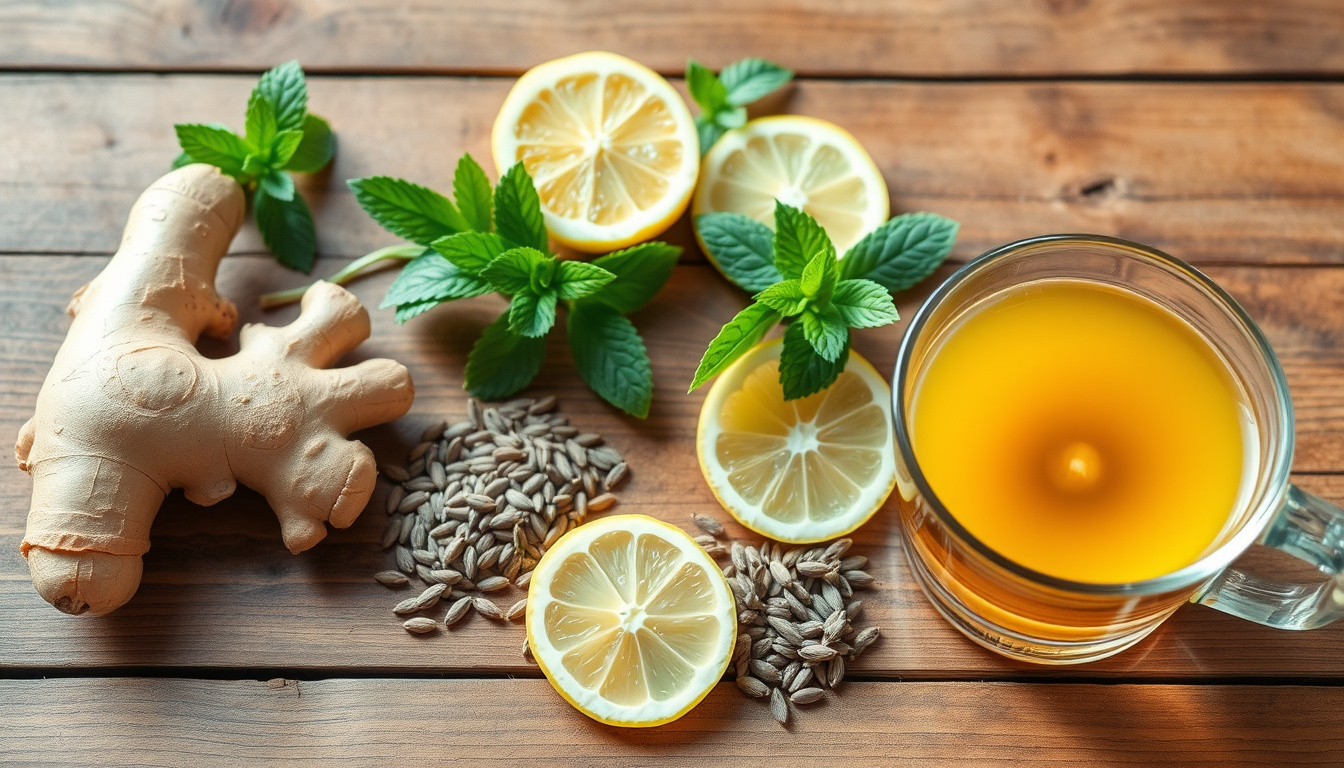
- Ginger consumption: Ginger accelerates stomach emptying and possesses anti-inflammatory properties. Consuming 1-2 cups of ginger tea daily or 1500 mg in supplemental form supports debloating.
- Heat application: Placing a warm compress, heating pad, or hot water bottle on the abdomen relaxes tense muscles and promotes digestion.
- Post-meal walking: A 10-15 minute walk after eating stimulates gut motility and helps expel gas. Research published in Gastroenterology and Hepatology From Bed to Bench confirmed this effect.
- Over-the-counter products: Simethicone-based products like Gas-X break up gas bubbles for immediate relief. Antacids such as Tums help when bloating relates to acid reflux.
- Probiotic supplementation: Daily probiotic intake, particularly bifidobacteria strains, supports healthy gut bacteria balance. Effects typically develop over 1-2 weeks of consistent use.
- Thorough chewing and smaller meals: Breaking food into smaller pieces and eating modest portions reduces swallowed air and eases digestive workload.
Combining multiple approaches before bed enhances overnight relief. Drink warm chamomile or peppermint tea, apply a heating pad to your abdomen, take a short walk after dinner, and consider a probiotic supplement before sleep. This multi-pronged approach addresses different mechanisms simultaneously.
Key Facts About Bloating Relief
| Remedy | Evidence Level | Time to Effect |
|---|---|---|
| Peppermint oil capsules | Clinical trials | 30-60 minutes |
| Walking post-meal | Peer-reviewed study | 10-15 minutes |
| Heat therapy | Clinical observation | 15-30 minutes |
| Simethicone products | Over-the-counter standard | 30 minutes |
| Papaya enzymes | 40-day study | 1-2 weeks |
| Turmeric (curcumin) | 500-2000 mg daily | 2-4 weeks |
| Probiotic bifidobacteria | Promising but mixed | 1-2 weeks |
| Ginger supplementation | 1500 mg studied | 30-60 minutes |
What Causes Bloating and How to Address Triggers?
Bloating stems from multiple sources that affect gut motility, gas production, and microbiome balance. Identifying your specific triggers helps target treatment effectively.
Primary Causes of Abdominal Bloating
Swallowed air constitutes a significant contributor, entering the digestive system through rapid eating, drinking carbonated beverages, chewing gum, or wearing loose dentures. Gas-producing foods generate additional gas when bacteria ferment them in the colon.
Constipation causes stool to remain in the intestines longer than normal, allowing bacteria more time to produce gas and creating pressure that produces the sensation of fullness. Overeating stretches the stomach and slows digestion, making the abdomen feel distended.
Underlying conditions such as irritable bowel syndrome, small intestinal bacterial overgrowth, gastroparesis, or food intolerances create chronic bloating patterns that persist despite dietary adjustments. According to the Cleveland Clinic, these conditions affect gut motility and microbiome composition in ways that require targeted management.
FODMAPs and Food Triggers
FODMAPs represent fermentable oligosaccharides, disaccharides, monosaccharides, and polyols—carbohydrates that draw water into the intestines and feed gas-producing bacteria. Common high-FODMAP foods include:
- Beans and legumes
- Onions and garlic
- Wheat-based products
- Artificial sweeteners
- Dairy products containing lactose
When gut bacteria ferment these carbohydrates, they produce hydrogen, carbon dioxide, and methane gas. Individuals with IBS or sensitive digestive systems experience exaggerated responses to these foods, making FODMAP identification essential for managing symptoms.
Stress and Digestion Connection
Stress directly impacts digestive function by activating the sympathetic nervous system, which redirects blood flow away from the intestines and slows peristalsis. This connection explains why anxiety and tension often coincide with worsened bloating symptoms.
Studies demonstrate that stress management techniques, including relaxation practices and chamomile consumption, can improve digestion by reducing the fight-or-flight response that interferes with normal gut function.
What Should You Eat and Drink to Reduce Bloating?
Dietary choices significantly influence bloating frequency and severity. Focusing on easily digestible foods while avoiding known triggers forms the foundation of long-term management.
Foods and Beverages That Help
Certain foods possess properties that actively reduce bloating rather than merely avoiding triggers. Incorporating these items into your diet provides ongoing support for digestive comfort.
- Ginger: This root accelerates gastric emptying and reduces inflammation. Consuming 1-2 cups of ginger tea daily offers both immediate and cumulative benefits.
- Peppermint: Available as tea or enteric-coated capsules, peppermint calms intestinal muscles and reduces spasms. For IBS-related bloating, 0.2 mL of peppermint oil taken 2-3 times daily shows measurable improvement.
- Bananas: Their potassium content helps flush excess sodium from the body, reducing water retention that contributes to abdominal distension.
- Cucumber and papaya: These fruits provide hydration and natural enzymes. Papaya contains papain, which aids protein digestion. A 40-day study found that 20 mL of papaya enzymes daily improved IBS symptoms including bloating.
- Yogurt with live cultures: Probiotic-containing fermented foods support microbiome diversity and may reduce gas production over time.
- Turmeric: Curcumin, its active compound, demonstrates anti-inflammatory effects that decrease IBS-related bloating at doses of 500-2000 mg daily.
- Chamomile, fennel, and anise teas: These herbal infusions provide gas-relieving and anti-inflammatory benefits while contributing warm hydration.
Foods and Drinks to Avoid
Eliminating or reducing specific items prevents additional gas from forming and reduces digestive burden:
- Carbonated beverages: Even sparkling water introduces carbon dioxide gas directly into the digestive system.
- High-FODMAP foods: Beans, onions, garlic, wheat products, and certain artificial sweeteners feed gas-producing bacteria.
- Fatty foods: High-fat meals delay stomach emptying and require more digestive effort.
- Sudden high-fiber increases: Rapidly adding large amounts of fiber without adaptation produces gas as gut bacteria adjust.
Reading food labels helps identify hidden triggers in processed products. Tracking your meals and symptoms for several days reveals patterns between specific foods and bloating episodes.
When eliminating foods, make changes gradually to avoid creating new digestive disturbances. Sudden removals can paradoxically cause bloating as gut bacteria adapt to altered fuel sources.
Exercise for Bloating Relief
Physical movement mechanically stimulates intestinal contractions and helps move gas through the digestive tract. Different exercise types offer distinct advantages.
Walking after meals represents the most accessible option. A 10-15 minute walk at moderate pace activates gut muscles and promotes regular digestion. Research confirms that short-term walking effectively relieves post-meal bloating symptoms.
Yoga provides specific poses designed to stimulate the intestines and release trapped gas. Gentle forward folds, twists, and knee-to-chest positions apply gentle pressure to the abdomen while relaxing surrounding muscles.
Targeted stretches focusing on bowel stimulation offer rapid gas release. These movements are available through various wellness resources and can be performed in just a few minutes when symptoms arise.
How Long Does Bloating Last and When to See a Doctor?
Bloating duration varies considerably depending on the underlying cause and whether appropriate interventions are applied.
Timeline for Bloating Resolution
Acute bloating triggered by a large meal or gas-producing foods typically resolves within hours as digestion progresses. With active remedies such as walking, herbal teas, or heat application, symptoms often improve within 30 minutes to a few hours.
Chronic bloating associated with IBS, food intolerances, or microbiome imbalances persists until triggers are identified and addressed. Without dietary modifications or treatment, these patterns continue indefinitely.
A practical timeline approach distinguishes between immediate relief (0-1 hours using movement or heat), short-term resolution (1-24 hours through dietary adjustments), and ongoing management (1-2 weeks for probiotic or supplement effects to develop).
Red Flags Requiring Medical Evaluation
While most bloating represents benign discomfort, certain symptoms warrant professional medical assessment. According to healthcare guidance from AARP, these warning signs include:
- Severe or persistent abdominal pain
- Unexplained weight loss
- Blood in stool or vomit
- Inability to pass stool or gas for multiple days
- Fever accompanying bloating
- Bloating that does not improve with dietary changes or remedies
- Progressive worsening of symptoms over weeks or months
These symptoms may indicate conditions such as IBS, bacterial infections, bowel obstructions, or in rare cases, malignant processes that require prompt diagnosis and treatment.
Keeping a symptom diary recording meals, activities, stress levels, and bloating severity helps healthcare providers identify patterns and potential triggers during medical consultations.
Proven Versus Unproven Bloating Remedies
Not all popular remedies have scientific support. Distinguishing between evidence-based approaches and unverified claims helps you focus efforts effectively.
| Proven Approaches | Unproven or Mixed Evidence |
|---|---|
| Peppermint oil for IBS bloating | Apple cider vinegar (limited studies) |
| Walking post-meal | Colon cleanses (no evidence) |
| Ginger for nausea and digestion | Detox products (not scientifically validated) |
| Low-FODMAP diet for IBS | Broad-spectrum vitamin supplements |
| Probiotic bifidobacteria | Magnesium supplements for bloating |
| Heat therapy for muscle relaxation | Chewing gum (can worsen gas intake) |
| Turmeric/curcumin for IBS symptoms | Essential oil diffusion |
Common Myths About Bloating
Misconceptions about bloating persist despite lacking scientific backing. One widespread myth suggests that drinking water while eating causes bloating—however, adequate hydration actually supports digestion and helps prevent constipation-related bloating.
Another myth claims that vitamins or supplements can broadly cure bloating. While specific probiotic strains and kiwi extract show promise in clinical research, general multivitamin products do not address underlying causes. Similarly, the idea that everyone should increase fiber intake rapidly ignores the reality that such increases commonly worsen symptoms before improvement occurs.
Understanding the Gut Microbiome Connection
The community of microorganisms living in your digestive system—collectively termed the gut microbiome—plays a central role in bloating and overall digestive health. These bacteria ferment undigested food components, producing gas as a byproduct.
When microbiome composition becomes imbalanced, either through diet, medications, or illness, gas production may increase excessively. Probiotic supplementation aims to restore beneficial bacterial populations, particularly strains like bifidobacteria that demonstrate potential for reducing bloating symptoms.
Fermented foods including yogurt, kefir, kimchi, and sauerkraut offer dietary sources of beneficial bacteria. Combining these foods with prebiotic fibers from bananas, asparagus, and oats supports probiotic survival and colonization.
The FODMAP diet works partly by modulating microbiome composition, reducing fermentable substrates available to gas-producing bacteria. This explains its effectiveness for many individuals with IBS-related bloating.
Expert Perspectives on Bloating Management
Healthcare professionals consistently emphasize a multi-faceted approach to bloating that addresses both immediate symptoms and underlying causes. Gastroenterologists recommend combining dietary modifications with stress reduction and appropriate physical activity.
Bloating rarely indicates a serious condition, but when it persists despite lifestyle changes, professional evaluation helps identify treatable underlying factors. Many patients benefit from food diary tracking and gradual dietary modifications rather than restrictive elimination diets.
Registered dietitians stress the importance of gradual dietary changes, noting that sudden eliminations often prove unnecessary and difficult to maintain. Identifying specific triggers through systematic observation proves more effective than broad restrictions.
Research institutions including the Brigham and Women’s Hospital provide nutritional guidance emphasizing balanced approaches that maintain overall diet quality while reducing bloating triggers.
Key Takeaways for Managing Bloating
Bloating responds well to targeted interventions when approached systematically. Combining fast-acting remedies—peppermint tea, walking, and heat therapy—provides immediate relief while dietary adjustments and probiotic use address longer-term patterns. Identifying personal triggers through careful observation enables sustainable management without unnecessary restrictions.
For most people, bloating represents an manageable discomfort rather than a serious health concern. However, persistent symptoms accompanied by pain, weight loss, or other warning signs merit professional medical evaluation. Understanding your body’s responses and applying evidence-based strategies empowers you to control bloating effectively.
Small changes in eating habits, meal composition, and post-meal activity often produce meaningful improvements without requiring dramatic lifestyle overhauls.
Can yoga poses actually relieve bloating quickly?
Certain yoga poses like knee-to-chest, seated twists, and forward folds apply gentle pressure to the abdomen and stimulate intestinal activity, helping release trapped gas. Many people experience relief within minutes of performing these poses.
What proven methods stop bloating most effectively?
Clinical evidence supports peppermint oil, walking post-meal, ginger consumption, heat therapy, and low-FODMAP dietary approaches. Probiotic supplementation with specific strains shows promise but results vary between individuals.
Does walking help reduce bloating?
Yes, walking stimulates gut motility and helps move gas through the digestive tract. A 10-15 minute walk after meals provides measurable relief according to research published in Gastroenterology and Hepatology From Bed to Bench.
How long does it take probiotics to reduce bloating?
Probiotic effects typically develop over 1-2 weeks of consistent daily use. Strains containing bifidobacteria show the most promise for bloating reduction, though evidence remains mixed.
What foods should I avoid when bloated?
Carbonated beverages, beans, onions, garlic, high-fat foods, artificial sweeteners, and sudden high-fiber increases commonly worsen bloating. Identifying your personal triggers through food tracking helps customize your diet effectively.
Does drinking water help with bloating?
Adequate hydration supports digestion and helps prevent constipation-related bloating. Contrary to a common myth, drinking water while eating does not cause bloating—it aids the digestive process.
Related stories





Jessica Morin covers provincial policy, regional economics and public affairs across Canada.