
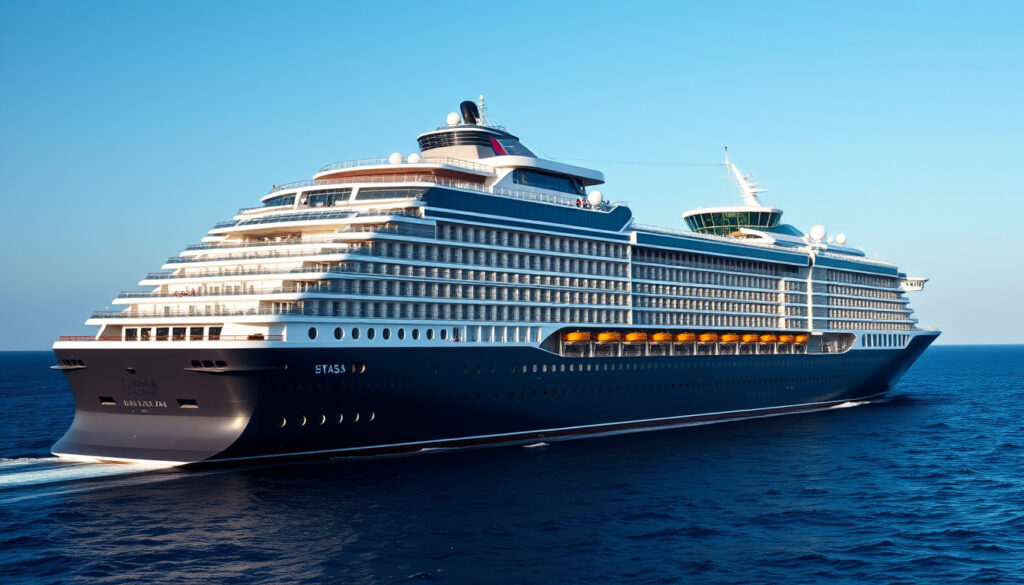
The cruise industry reached a new milestone in January 2024 when Royal Caribbean introduced a vessel that surpassed all previous records for size and passenger capacity. This development drew attention from maritime analysts, travel enthusiasts, and industry observers alike, marking a significant point in the evolution of floating resorts.
The ship operates from Miami and offers itineraries across the Caribbean, catering primarily to families seeking diverse onboard experiences. Its arrival generated considerable media coverage, with outlets highlighting both its engineering achievements and its role in the competitive cruise market.
Understanding the specifications, history, and context of this vessel provides insight into how the cruise industry continues to push boundaries in ship design and guest capacity.
What Is the Largest Cruise Ship in the World?
The title of world’s largest cruise ship belongs to Icon of the Seas, a vessel introduced by Royal Caribbean in January 2024. The ship operates from its homeport in Miami, Florida, offering seven-night Caribbean itineraries to passengers seeking a resort-style experience at sea.
Royal Caribbean has maintained a consistent strategy of building increasingly larger vessels over the past two decades. This approach began with the Oasis-class ships and continued through multiple generations of record-breaking vessels. The Icon of the Seas represents the first ship in Royal Caribbean’s new Icon class, signaling a shift toward liquefied natural gas propulsion and enhanced environmental considerations.
The vessel holds current records for both gross tonnage and maximum passenger capacity among all cruise ships in service worldwide. According to data from the Port Economics and Management educational resource, Icon of the Seas measures 250,800 GT, making it the most massive cruise ship ever constructed. Its nearest competitor, the Star of the Seas, shares nearly identical specifications as the second ship in the Icon class.
The Icon class marks Royal Caribbean’s sixth distinct vessel class following the Voyager, Freedom, Oasis, Quantum, and Explorer classes. Each generation has introduced incremental increases in size and new onboard features.
How Big Is Icon of the Seas?
Icon of the Seas stretches to a length of 1,196 feet (365 meters), positioning it among the longest passenger vessels ever built. Its height reaches 238 feet from keel to funnel, creating a structure that towers above the waterline and includes 20 passenger decks.
The gross tonnage of 250,800 GT serves as the primary measurement for comparing ship size across the industry. This figure reflects the enclosed internal volume of the vessel rather than its weight, providing a standardized metric for comparing vessels of different designs and configurations.
When compared to other cruise ships, the Icon of the Seas exceeds the length of the Eiffel Tower laid horizontally and stands taller than many coastal landmarks. The vessel’s size enables the inclusion of seven distinct neighborhood areas, including the AquaPark, Surf Cay, and the Chill Island pool zone.
Dimensions Compared to Major Landmarks
The ship’s 365-meter length approaches the height of the Empire State Building when laid horizontally. At 238 feet in height, the vessel’s smoke stacks extend above the upper decks, creating a distinctive silhouette visible from Caribbean ports during docking procedures.
Structural Features Supporting Size
The ship’s construction incorporates eight distinct sections welded together during the building process at the Meyer Werft shipyard in Papenburg, Germany. This modular approach allows for greater precision in construction while accommodating the vessel’s substantial dimensions within existing shipyard infrastructure.
The Meyer Werft shipyard utilized specialized cranes and dry dock facilities to accommodate the vessel’s scale during the building process. The ship’s construction timeline extended over several years, with final assembly requiring coordination between multiple engineering teams.
What Is the Passenger Capacity and Key Specs?
Icon of the Seas accommodates a maximum of 7,600 passengers across its 2,759 staterooms, with 5,610 passengers at double occupancy representing the standard booking configuration. The vessel requires a crew of 2,350 members to operate its various amenities and services.
| Specification | Value | Notes |
|---|---|---|
| Gross Tonnage | 250,800 GT | Record holder |
| Length | 1,196 feet (365m) | Among longest vessels |
| Height | 238 feet | Keel to funnel |
| Maximum Passengers | 7,600 | All berths occupied |
| Double Occupancy | 5,610 | Standard capacity |
| Staterooms | 2,759 | Including suites |
| Decks | 20 | Passenger decks |
| Crew Members | 2,350 | Service staff |
The distribution of passenger space across 20 decks allows for distinct experience zones throughout the vessel. The AquaPark area features water attractions including slides and pools, while the Surf Cay provides wave simulation for surfing enthusiasts. The Chill Island zone offers Caribbean-inspired outdoor relaxation spaces.
Accommodation Categories
Staterooms range from interior rooms to multi-bedroom suites with private balconies. The ship’s suite categories include the Icon Loft Duplexes, which span two levels and offer dedicated living areas separate from sleeping quarters. Interior cabin configurations focus on maximizing space efficiency for the ship’s dense layout.
Dining and Entertainment Capacity
The vessel includes more than 20 dining options across its neighborhoods, accommodating simultaneous service for thousands of guests. Entertainment venues include a two-level main theater for production shows, along with smaller lounges and bars distributed throughout public areas.
The distinction between maximum capacity and double occupancy capacity matters for passenger experience. During peak travel periods, ships frequently operate near maximum capacity, which affects queue times for popular attractions and dining reservations.
Who Owns and Operates Icon of the Seas?
Royal Caribbean Group, headquartered in Miami, Florida, owns and operates Icon of the Seas through its primary brand, Royal Caribbean International. The company traces its origins to 1969 and has grown to become one of the largest cruise operators globally, with a fleet spanning multiple brands including Celebrity Cruises and Silversea.
The vessel’s construction resulted from a partnership between Royal Caribbean and Meyer Werft, a German shipbuilding company with extensive experience in cruise ship construction. The ship’s delivery in late 2023 preceded its inaugural sailing season beginning January 2024.
Royal Caribbean Group, traded on the NYSE under the ticker RCL, reported significant capital investment in the Icon class development. The company’s Icon class represents a cornerstone of the fleet renewal strategy.
The operational model places the vessel on week-long Caribbean itineraries visiting destinations including CocoCay, Cozumel, and Roatan. These routes leverage the ship’s capacity for families seeking all-inclusive resort experiences with port-intensive itineraries.
Timeline: Launch and Previous Record Holders
Royal Caribbean’s history of record-breaking vessels provides context for understanding the Icon of the Seas achievement. The company’s progression through increasingly larger ships demonstrates sustained investment in mega-vessel construction over more than fifteen years.
- 2009: Allure of the Seas (225,282 GT) became the world’s largest cruise ship upon its introduction, establishing the Oasis-class as the new standard for vessel size.
- 2012: Harmony of the Seas, the second Oasis-class vessel, joined the fleet with similar specifications to its predecessor.
- 2015: Harmony of the Seas (226,963 GT) claimed the size record as the largest Oasis-class ship at its time of introduction.
- 2018: Symphony of the Seas (228,081 GT) surpassed Harmony of the Seas, measuring 1,188 feet in length with 16 passenger decks and 2,759 staterooms.
- 2022: Wonder of the Seas, the final Oasis-class ship, entered service as the largest cruise ship at that time, operating initially from Shanghai before relocating to Miami.
- 2024: Icon of the Seas (250,800 GT) launched in January, surpassing all previous vessels with a 9.7% increase in gross tonnage over Wonder of the Seas.
The progression shows incremental tonnage increases ranging from 2,000 to 22,000 GT between successive record holders, with the jump to the Icon class representing the largest single increase in recent fleet history.
What Is Confirmed and What Remains Uncertain?
| Established Information | Uncertain or Developing Information |
|---|---|
| Current gross tonnage: 250,800 GT | Future capacity adjustments during service life |
| Maximum passenger capacity: 7,600 | Potential modifications to itinerary ports |
| Homeport: Miami, Florida | Long-term deployment plans beyond 2025 |
| Owner: Royal Caribbean Group | Sister ship Star of the Seas completion timeline |
| Builder: Meyer Werft, Germany | Environmental compliance outcomes |
Information regarding the ship’s long-term deployment schedule beyond its current Caribbean itineraries has not been publicly confirmed by Royal Caribbean. Similarly, details about potential environmental upgrades or modifications to the LNG propulsion system remain subject to company disclosure.
Why Does Ship Size Matter in the Cruise Industry?
The pursuit of record-breaking vessels reflects economic and marketing considerations beyond pure engineering ambition. Larger ships achieve economies of scale by distributing fixed operational costs across more passengers, potentially allowing for more diverse amenities per guest.
From a commercial perspective, vessel size serves as a differentiator in a competitive market where cruise lines compete for booking consideration. The Guinness World Records recognition associated with being the “world’s largest” generates marketing value that extends beyond functional considerations.
The cruise industry’s growth trajectory influences port infrastructure investments worldwide. Caribbean ports including Miami, Cozumel, and Nassau have adapted facilities to accommodate increasingly large vessels, creating economic development opportunities in tourism-dependent regions.
What Do Official Sources Say About Icon of the Seas?
Royal Caribbean’s official website describes the Icon of the Seas as representing “the ultimate family vacation” with “record-breaking thrills, expansive dining choices, and uniquely crafted neighborhoods.” The company’s marketing materials emphasize the vessel’s positioning as a new category of cruise experience combining elements from multiple ship classes.
The ship is designed to redefine the vacation experience with seven distinct neighborhoods, each offering different experiences for families and passengers of all ages.
— Royal Caribbean official communications
Academic sources on cruise shipping, including the Port Economics and Management educational resource, confirm the ship’s specifications and historical position within the Royal Caribbean fleet progression. These sources provide standardized comparisons across vessel classes and operators.
How Does Icon of the Seas Compare to Other Ships?
The Icon of the Seas exceeds the previous record holder, Wonder of the Seas, by approximately 22,000 GT, representing nearly a 10% increase in enclosed volume. In practical terms, this additional space accommodates expanded pool areas, additional dining venues, and a larger suite category section.
The ship’s nearest competitor within the Icon class, the Star of the Seas, was under construction as of early 2024 with expected specifications nearly identical to Icon of the Seas. This means the record-setting margin may be temporary pending the second vessel’s completion and entry into service.
Royal Caribbean’s earlier Oasis-class ships, including Symphony of the Seas and Wonder of the Seas, remain among the largest cruise vessels in operation despite no longer holding the primary record. These ships operate on similar Caribbean itineraries, offering comparable passenger experiences within slightly smaller configurations.
For travelers researching options among best travel destinations 2025, cruise ships represent a significant category, with vessel size influencing onboard amenity availability and itinerary variety. Family-oriented resorts including Dreams Flora Punta Cana offer competing land-based vacation experiences for travelers weighing cruise versus resort options.
Summary
Icon of the Seas holds the current position as the world’s largest cruise ship by gross tonnage and passenger capacity, introduced by Royal Caribbean in January 2024. The vessel’s 250,800 GT, 1,196-foot length, and maximum capacity of 7,600 passengers represent milestones in cruise ship engineering that build upon the company’s history of record-breaking vessel construction.
The ship’s operations from Miami include Caribbean itineraries targeting families seeking diverse onboard experiences across multiple neighborhoods. While future deployment plans and environmental performance outcomes remain subject to ongoing development, the Icon of the Seas has established a new benchmark for the cruise industry’s capacity ambitions.
What are the key features of Icon of the Seas?
Icon of the Seas includes seven distinct neighborhoods featuring the AquaPark with water attractions, Surf Cay for wave surfing, Chill Island pool zones, and more than 20 dining options across the 20-deck vessel.
How does Icon of the Seas compare to other cruise ships?
Icon of the Seas measures 250,800 GT, surpassing Wonder of the Seas by approximately 22,000 GT. Its nearest competitor will be the Star of the Seas, which shares nearly identical specifications.
Where does the largest cruise ship sail?
Icon of the Seas operates from Miami, Florida, offering seven-night Caribbean itineraries visiting destinations including CocoCay, Cozumel, and Roatan.
When was Icon of the Seas launched?
The vessel began offering cruises from Miami in January 2024, following its delivery from the Meyer Werft shipyard in late 2023.
How tall is Icon of the Seas?
The ship reaches 238 feet from keel to funnel, standing significantly taller than most coastal structures and creating a distinctive profile when docked at Caribbean ports.
What was the largest cruise ship before Icon of the Seas?
Wonder of the Seas held the record from 2022 until 2024, measuring 236,000 GT with capacity for approximately 7,000 passengers.
Who operates the world’s largest cruise ship?
Royal Caribbean Group operates Icon of the Seas through its Royal Caribbean International brand, with company headquarters located in Miami, Florida.
Related stories





Marc Tremblay is Managing Editor at CanadaPerspective.org, running the daily news list, the publishing schedule and newsroom commissioning.