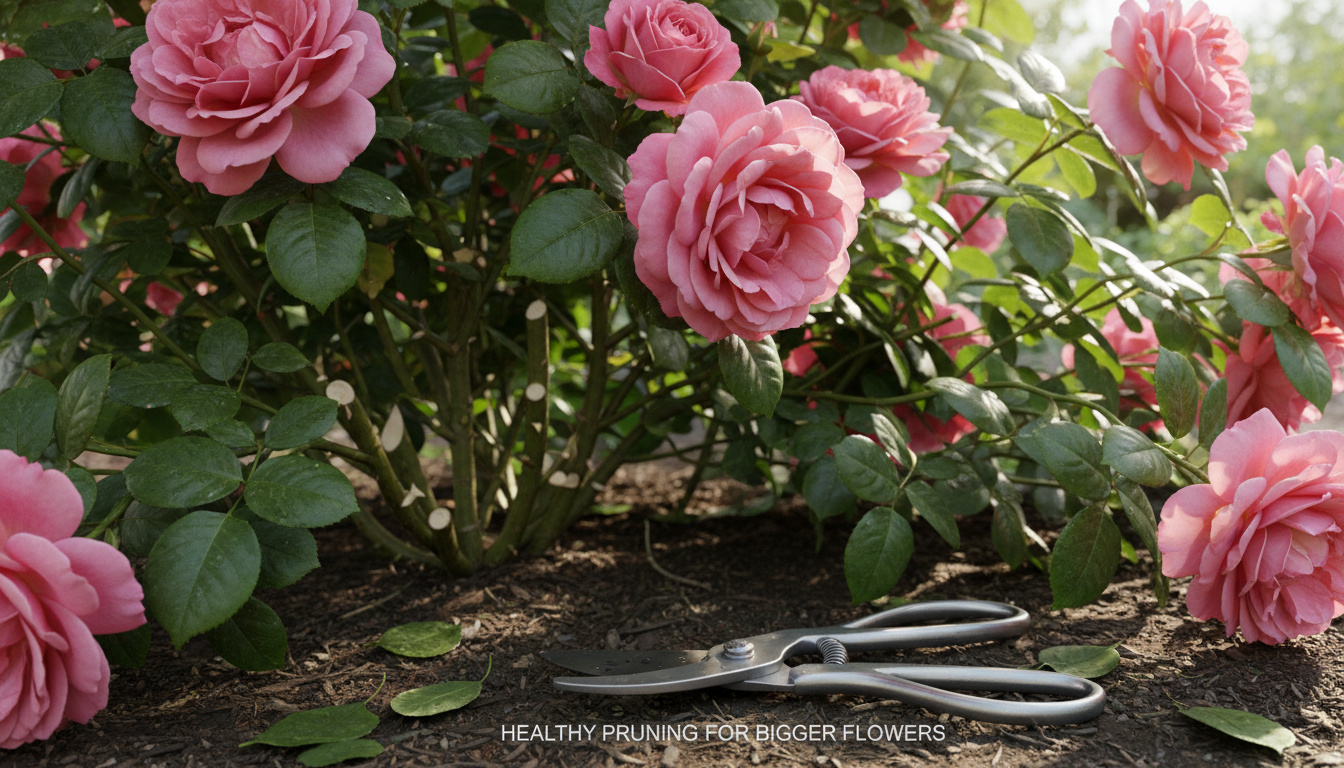
Pruning remains one of the most consequential maintenance tasks for rose health and floral production. Strategic removal of wood stimulates vigorous new growth, improves air circulation through the center of the plant, and directs the plant’s energy toward producing larger, more abundant blooms. Whether tending to hybrid tea varieties in a formal bed or managing sprawling shrub roses along a fence line, understanding the specific requirements of each growth habit separates thriving specimens from struggling plants.
The practice demands attention to seasonal timing, tool selection, and anatomical cutting technique. Different categories—repeat-flowering hybrid teas, once-blooming heritage shrubs, and modern Knock Out landscape varieties—follow distinct calendars and intensity levels. Misplaced cuts or poorly timed pruning can reduce flowering potential or invite disease through open wounds.
This guide synthesizes recommendations from horticultural authorities including the University of Illinois Extension, Monrovia, and David Austin Roses to establish clear protocols for bush, climbing, and shrub types.
When Is the Best Time to Prune Roses?
Late winter to early spring
Bypass pruners, loppers, gloves
45 degrees above outward-facing bud
Remove 1/3 to 2/3 of old growth
- Late winter or early spring serves as the optimal window for most repeat-flowering varieties including hybrid teas, floribundas, and Knock Out roses
- Forsythia blooms function as a reliable phenological indicator—prune when they bloom or when rose buds swell but leaves remain unexpanded
- Once-blooming old garden or modern shrub roses require mid-summer pruning only after flowering completes, never in spring
- Summer pruning of repeat bloomers risks reducing next year’s flower production and should be avoided
- Knock Out varieties tolerate annual cutback to 12 inches when new shoots appear in late winter
- Climate variations across USDA zones 4-9 may shift specific dates by several weeks based on local dormancy patterns
| Rose Type | Pruning Window | Reduction Amount | Critical Notes |
|---|---|---|---|
| Hybrid Tea/Floribunda/Grandiflora | Late winter/early spring | 6-12 inches; 1/3 to 2/3 of cane | Retain 3-6 strong canes; lowest cuts produce strongest growth |
| Knock Out/Shrub | Late winter/early spring | 12 inches high | Annual cutback; remove inward-growing stems |
| Climbing | Late winter | Side shoots to 2-3 inches | Light annual work; renewal prune every 3-5 years |
| Once-Blooming Shrub/Old Garden | Mid-summer after flowering | Light shaping only | Avoid hard cuts; thin only as needed |
| English Shrub (Year 1) | Late winter/early spring | 12-18 inches | Focus on basal growth to encourage root establishment |
What Tools Do You Need to Prune Roses?
Effective pruning requires specific implements that produce clean cuts without crushing plant tissue. Sharp bypass hand pruners serve as the primary tool for canes up to one-half inch in diameter, utilizing a scissor-like action that slices rather than pinches. For thicker wood, long-handled loppers provide leverage, while a pruning saw addresses the oldest, gnarled canes at the base of mature shrubs.
Protective equipment includes thick leather or synthetic gloves resistant to thorn punctures and a kneeling pad for ground-level work. Hedge shears prove useful for mass-planted Knock Out roses requiring uniform shaping. A sterilizing agent—rubbing alcohol, bleach solution, or commercial disinfectant—remains essential for decontaminating blades between plants to prevent disease transmission.
Sterilize blades between each plant and after removing diseased material. Sharpen edges before the pruning season begins to ensure clean cuts that heal rapidly; dull blades crush vascular tissue and create entry points for fungal and bacterial pathogens. Store tools dry to prevent corrosion.
Preparation extends beyond equipment to plant assessment. Examine bushes in late winter for new shoot development indicating viable wood versus freeze-damaged tissue. How Many Oz in a Lb – Exact Conversions and Charts provides reference for mixing sterilizing solutions if using concentrated disinfectants requiring dilution.
How to Prune Roses Step by Step
Initial Assessment and Preparation
Begin by gathering sterilized bypass pruners, loppers, gloves, and a pruning saw for thick canes. Inspect the bush for new shoot emergence indicating active growth nodes. Remove any remaining leaves from previous seasons to eliminate overwintering disease spores and improve visibility of the cane structure.
Removing Unproductive Wood
Cut out all dead, diseased, damaged, or crossing canes at the base or at the point of discoloration. This sanitation step improves air flow through the center of the plant and prevents disease spread. According to New York Botanical Garden guidelines, removing inward-growing branches opens the center for light and circulation, creating the desired vase shape with upward-stretching branches.
Always cut one-quarter to one-half inch above an outward-facing bud at a 45-degree angle sloping away from the bud. This ensures water runs off rather than pooling on the cut surface, which reduces rot risk. Inward-facing buds produce branches that crowd the center, limiting air circulation and promoting fungal issues.
Structural Reduction
Reduce main canes to three to six strong specimens standing 10 to 18 inches high for hybrid teas and floribundas, or 12 inches for Knock Out varieties. Cut older canes lower than younger ones to encourage balanced renewal growth. For mature shrubs undergoing renovation, remove one-third of the oldest thickest canes at ground level every few years to stimulate basal shoots.
First-year English shrub roses and other newly planted specimens require light pruning only—reduce height to 12-18 inches and remove unhealthy stems while preserving as much foliage as possible to encourage root establishment. Heavy cutting on young plants delays establishment and first bloom cycles.
Side Shoot Management and Cleanup
Shorten side shoots on climbers and main canes to two to three inches to encourage multiple flowering stems. Clear all debris from the base of the plant and dispose of prunings away from the garden to prevent disease reinfection. Monitor fresh cuts for cane borer activity; seal ends with pruning sealant only if borers present a regional threat.
A properly pruned bush resembles a collection of short sticks six to twelve inches tall with an open center. This severe appearance belies the vigorous regrowth that follows—strong new canes will emerge within weeks, producing larger blooms than unpruned wood.
Seasonal maintenance continues through the growing season with 64 Oz to Liters – Exact US and UK Conversions helping measure liquid fertilizers applied after pruning stimulates new growth.
How to Prune Different Types of Roses
Hybrid Tea, Floribunda, and Grandiflora Roses
These repeat-flowering bush roses require the most aggressive pruning. Reduce canes to six to twelve inches, retaining only three to six of the strongest specimens. The Garden Lady notes that hard pruning produces the largest blooms on long stems suitable for cutting, though the bush will look stark immediately after pruning.
Knock Out and Landscape Shrub Roses
Modern shrub varieties including Knock Out roses tolerate annual renewal pruning to twelve inches high once per year in late winter or early spring when new shoots appear. Remove inward-growing stems to maintain air circulation. These varieties recover quickly and bloom repeatedly throughout the season without deadheading.
Climbing and Rambling Roses
Climbing varieties require a lighter touch—focus on shortening side shoots to two or three inches while preserving the main structural canes. Renewal prune only every three to five years by removing one or two of the oldest main canes at ground level to stimulate new basal growth. Avoid heavy annual cutting that removes flowering wood.
Once-Blooming Heritage Varieties
Old garden roses and modern shrubs that bloom once per year require pruning immediately after flowering in mid-to-late June. Limit intervention to light shaping and thinning; avoid hard cuts that remove next year’s flower buds forming on old wood. These varieties flower on previous season’s growth, making winter pruning disastrous for bloom production.
Newly Planted English Shrubs
David Austin English roses in their first year should be pruned lightly to 12-18 inches, focusing on removing damaged material while preserving basal foliage. David Austin specialists emphasize that first-year pruning prioritizes root establishment over immediate floral display. For more information, see huskur mot svamp på huden.
What Is the Seasonal Pruning Timeline?
-
Deep winter dormancy: Monitor for bud swelling in warmer zones; prepare tools and clear debris from previous season.
-
Primary pruning window: Execute major cuts on repeat-flowering bush and shrub roses when forsythia blooms or buds swell but leaves remain unexpanded.
-
Post-flowering period: Light shaping for once-blooming old garden and heritage varieties immediately after petals drop.
-
Maintenance deadheading: Remove spent blooms from repeat-flowering varieties by cutting to five- or seven-leaflet leaves above outward-facing buds to encourage continuous bloom cycles.
-
Immediate aftermath: Clear all prunings and fallen leaves to prevent disease transmission; monitor for cane borers and seal cuts if regional threats exist.
What Are Established Practices Versus Climate Variables?
Established Protocols
- Late winter to early spring pruning for dormant repeat-flowering rose types
- 45-degree angled cuts positioned one-quarter to one-half inch above outward-facing buds
- Removal of dead, diseased, damaged, and crossing canes at the base
- Vase-shaped open centers promoting air circulation
- Annual cutback to 12 inches for Knock Out shrub varieties
Variable Factors
- Exact calendar dates shift by several weeks between USDA zones 4 and 9 based on local dormancy patterns
- Necessity of wound sealants depends on regional cane borer prevalence rather than universal application
- Renewal pruning intervals for ancient specimens vary based on individual vigor and historical maintenance
- Survival of extreme weather events may require adjusted timing or lighter intervention in affected years
Why Does Pruning Matter for Rose Health?
Pruning serves multiple physiological functions beyond mere size control. Strategic removal of wood stimulates the plant’s hormonal response, directing energy from maintaining old, unproductive canes toward generating new basal shoots capable of producing larger, more numerous blooms. Opening the center through selective thinning increases photosynthetic efficiency by allowing light penetration to interior leaves while reducing humidity that fosters black spot and powdery mildew.
The practice also functions as preventive medicine. Eliminating crossing branches prevents bark abrasion that creates entry points for pathogens. Removing diseased wood immediately halts the spread of fungal infections that would otherwise overwinter in cankered tissue. For climbers, annual side-shoot shortening concentrates flowering potential on manageable stems rather than allowing the plant to exhaust itself producing distant, inaccessible blooms.
What Do Horticultural Authorities Recommend?
Start with dead and diseased wood, then thin, then shape. The finished bush should look like a collection of short sticks six to twelve inches tall for strong regrowth.
— Monrovia Horticultural Specialists
Cutting to an outward-facing bud ensures the new growth opens up the center of the bush rather than crowding it, which improves air circulation and reduces disease pressure.
— New York Botanical Garden Library Guides
Knock Out roses should be cut back to about 12 inches high once a year in late winter or early spring when new shoots are appearing.
How Should You Approach Your First Pruning Session?
Begin with clear objectives: remove all unhealthy wood, open the center for airflow, and establish the framework for new growth. Work systematically from the base upward, making final cuts only after stepping back to assess the overall silhouette. Remember that roses possess remarkable regenerative capacity—a bush reduced to bare stubs in March will leaf out and bloom profusely by June when proper technique and timing align with the plant’s natural cycle.
Frequently Asked Questions
Can you prune roses in the summer?
Summer pruning of repeat-flowering roses reduces next year’s bloom potential and should be avoided. Limit summer intervention to deadheading spent flowers or addressing damaged canes. Once-blooming varieties may receive light shaping immediately after flowering in early summer.
Should you prune roses in the fall?
Fall pruning is generally discouraged except for removing dead or diseased canes that might harbor winter pests. Major pruning in autumn stimulates tender new growth susceptible to winter kill. Wait until late winter dormancy for substantial cuts.
How far back do you prune roses?
Hard-pruning varieties including hybrid teas and floribundas require reduction to six to twelve inches with three to six canes remaining. Knock Out roses tolerate cutback to twelve inches annually. Once-blooming types receive only light shaping, never hard reduction.
How to deadhead roses?
Cut spent flower stems to an outward-facing bud positioned above a five- or seven-leaflet leaf, angled at 45 degrees. This technique promotes repeat flowering on remontant varieties while maintaining the desired vase-shaped architecture.
When should I prune once-blooming roses?
Prune once-blooming old garden and modern shrub roses immediately after flowering completes in mid-to-late June. These varieties form next year’s flowers on old wood, making spring pruning counterproductive.
What happens if you don’t prune roses?
Unpruned roses develop congested centers with reduced air circulation, leading to increased disease pressure and smaller blooms on weak, spindly stems. Old wood dominates the plant’s resources, gradually reducing vigor and floral production over successive seasons.
Related stories





Hannah Walsh covers municipal government, city hall, councils, transit and local services across Canada.