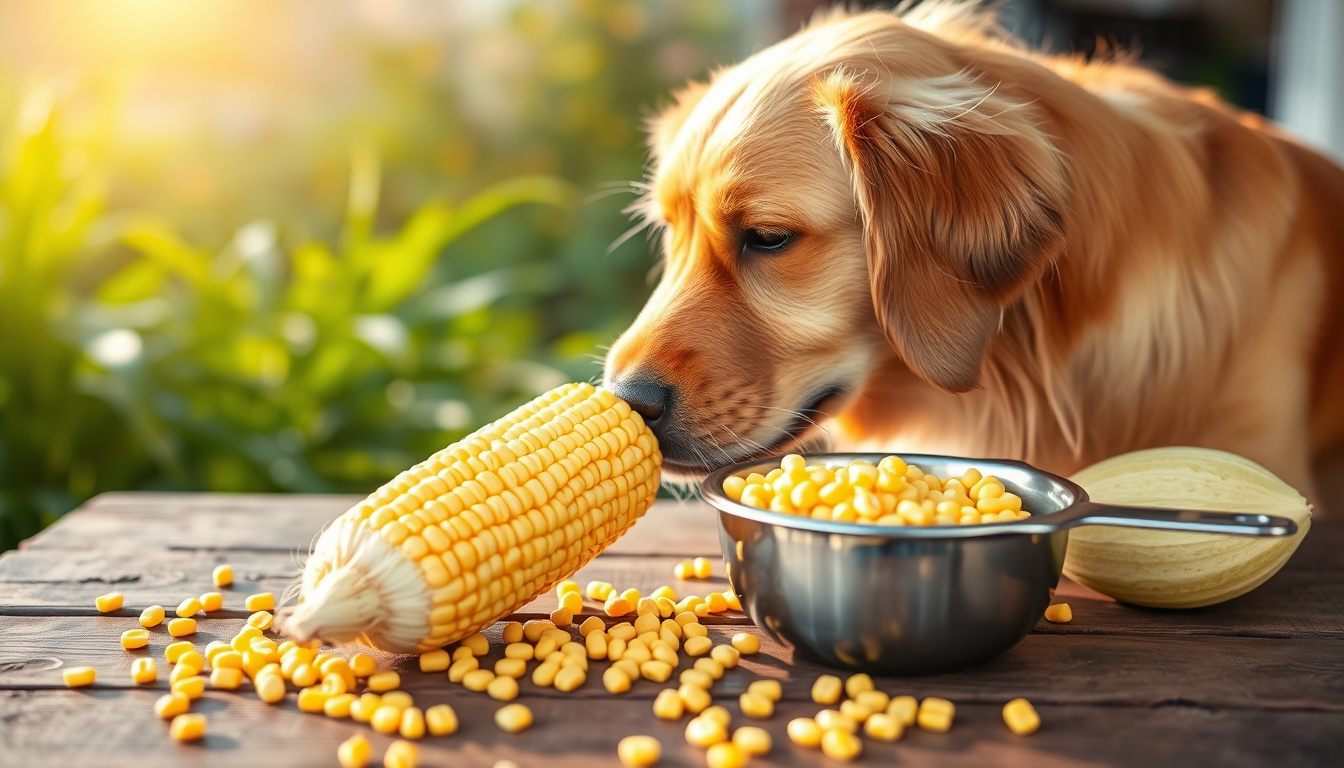

Corn is one of the most common ingredients in commercial dog food, yet many pet owners wonder whether sharing a few kernels with their furry companion is safe. The answer involves more nuance than a simple yes or no—certain forms of corn pose serious risks, while others can be a healthy occasional treat when prepared properly.
Understanding the difference between safe and unsafe forms of corn matters for every dog owner. Plain kernels offer nutritional value, but the cob itself represents a genuine danger that has sent countless dogs to emergency veterinary clinics. Knowing what to serve, how much to give, and what to avoid empowers owners to make informed decisions about this popular grain.
This guide breaks down everything owners need to know about feeding corn to dogs, from safety guidelines and portion recommendations to potential risks and nutritional benefits. The information draws from veterinary sources and established pet health organizations to help pet owners keep their companions healthy and safe.
Is Corn Safe for Dogs?
Plain corn kernels are generally safe for dogs when served in moderation and without added seasonings or butter. Multiple veterinary sources confirm that plain, cooked corn kernels provide nutritional benefits including protein, fiber, carbohydrates, vitamins, antioxidants, and linoleic acid—an omega-6 fatty acid that supports healthy skin and coat. These nutrients can aid digestion, provide energy, and contribute to overall immune health when offered as part of a balanced diet.
However, the form in which corn is served makes all the difference. Safe options include plain cooked or raw kernels from fresh or frozen corn, as well as kernels found in commercial dog food formulas. The key requirement is that these kernels must be served without butter, salt, seasonings, onions, or garlic—all of which can cause toxicity, pancreatitis, obesity, or salt poisoning in dogs.
Veterinary experts consistently emphasize that corn should never replace nutritionally complete dog food but can serve as an occasional reward during training or as a mixed-in treat. The American Kennel Club notes that corn provides digestible energy from carbohydrates, while corn gluten meal contributes protein that supports muscle and skin health.
The outer hull of corn kernels is partially indigestible, which means whole kernels may appear in stool—this is normal and harmless. However, this characteristic also means corn should never be given in large quantities, as excessive consumption can lead to digestive upset including gas and bloating.
Corn allergies in dogs are rare, occurring in less than 1% of cases according to veterinary data. Nevertheless, owners should monitor for signs of skin irritation or digestive issues when introducing corn for the first time and consult a veterinarian if any concerns arise.
Five essential facts every dog owner should understand about corn safety:
- Plain cooked or raw kernels without toppings are digestible and nutritious
- Canned, creamed, or seasoned corn should be avoided due to excess sodium and harmful additives
- Corn on the cob is dangerous and should never be given to dogs under any circumstances
- Small portions as an occasional treat are appropriate for most healthy dogs
- Individual dogs may react differently, so monitoring after feeding is important
| Nutrient | Amount per 100g Corn | Dog Benefit |
|---|---|---|
| Fiber | 2g | Supports healthy digestion |
| Carbohydrates | 19g | Provides digestible energy |
| Protein | 3.4g | Muscle and tissue maintenance |
| Linoleic Acid | Essential fatty acid | Promotes healthy coat and skin |
| B-Complex Vitamins | Thiamine, Niacin, Folate | Supports eye health and metabolism |
| Antioxidants | Various carotenoids | Immune system support |
Can Dogs Eat Corn on the Cob?
No—dogs should never be given corn on the cob under any circumstances. This warning appears across virtually every veterinary source and represents one of the most important food safety facts for dog owners to remember. The cob itself poses two major dangers: choking and intestinal blockage.
When dogs attempt to chew on corn cobs, they typically break off large chunks that can become lodged in the throat, causing choking. Even if swallowing succeeds initially, the rigid cylindrical shape of the cob creates a serious risk of intestinal obstruction. The cob cannot be broken down by digestive enzymes and often becomes trapped somewhere in the digestive tract, requiring emergency surgical intervention.
Corn cob ingestion is one of the most common causes of bowel obstruction in dogs, particularly smaller breeds. Symptoms include vomiting, diarrhea, dehydration, lethargy, loss of appetite, and signs of abdominal pain. Any suspicion of cob consumption warrants immediate veterinary attention.
According to VCA Animal Hospitals, corn cob ingestion constitutes a genuine medical emergency. The hollow center and rigid structure of cobs make them particularly dangerous compared to other foreign objects that might pass through the digestive system. Even partial consumption—a few bites taken from a cob left unattended—can be enough to cause a blockage.
The same warning applies to corn husks, which are equally indigestible and can cause the same intestinal complications. Owners should ensure all corn cobs and husks are disposed of in sealed containers inaccessible to curious pets. Keeping trash secured and supervising dogs during outdoor activities like barbecues dramatically reduces the risk of accidental cob consumption.
If a dog does consume a corn cob, time becomes critical. Waiting to see if symptoms develop is dangerous because intestinal blockages can progress rapidly. Veterinary care may involve X-rays to locate the obstruction, IV fluids for hydration, and emergency surgery to remove the cob if it cannot pass naturally.
What Happens If a Dog Eats Corn on the Cob?
The timeline of complications following cob consumption typically unfolds quickly. Within hours, the dog may exhibit signs of digestive distress including vomiting and loss of appetite. As the obstruction prevents normal digestion, the dog becomes increasingly uncomfortable and lethargic.
Left untreated, the situation can progress to complete bowel obstruction, which is life-threatening. The ASPCA Animal Poison Control Center identifies cob ingestion as a significant risk requiring prompt veterinary evaluation. Early intervention dramatically improves outcomes, while delays can result in severe complications including tissue damage requiring extensive surgery or worse.
How Much Corn Can Dogs Eat?
Portion control matters significantly when sharing corn with dogs. Veterinary nutritionists recommend that treats—including corn—should comprise less than 10% of a dog’s daily caloric intake. This guideline ensures that treats do not displace essential nutrients from complete and balanced meals or contribute to unhealthy weight gain.
The appropriate amount varies based on dog size. A few kernels may be sufficient for small breeds, while larger dogs might tolerate slightly more. The safest approach involves starting with a very small portion and monitoring for any adverse reactions before increasing the amount. Even within safe limits, not every dog will tolerate corn well—some may experience gas, bloating, or loose stools regardless of portion size.
When introducing corn as a treat, offer just one or two plain kernels initially. Wait 24 hours to observe for any digestive upset or allergic reaction before considering larger portions. This cautious approach applies especially to dogs with sensitive stomachs or known food sensitivities.
Frequency also matters. Even though plain corn kernels are safe in small amounts, they should remain an occasional treat rather than a regular addition to every meal. Corn is not an essential component of a dog’s diet, and the nutritional benefits can easily be obtained from other sources that might be better tolerated.
The American Veterinary Medical Association recommends consulting with a veterinarian about dietary additions, particularly for dogs with existing health conditions. Dogs managing weight issues, diabetes, or digestive disorders may need stricter limitations on any treats, including corn.
Benefits of Feeding Corn to Dogs
When served appropriately, corn offers several nutritional advantages for dogs. The carbohydrates provide readily digestible energy, making corn a useful supplement for active dogs needing extra fuel. The fiber content supports healthy digestion and can help regulate bowel movements, though excessive fiber can have the opposite effect.
Corn gluten meal—a byproduct of corn processing used in many commercial dog foods—provides plant-based protein that supports muscle maintenance and healthy skin. This ingredient appears in many veterinarian-recommended dog food brands specifically because of its amino acid profile and cost-effectiveness as a protein source.
Linoleic acid, an omega-6 fatty acid found in corn, plays a crucial role in maintaining healthy skin and a shiny coat. Dogs with dry skin or coat quality issues may benefit from small amounts of corn in their diet, though other fat sources often provide this nutrient more efficiently. The antioxidants present in corn, particularly carotenoids like lutein and zeaxanthin, support long-term eye health and immune function.
B-complex vitamins including thiamine, niacin, and folate contribute to proper metabolic function and nervous system health. These nutrients work alongside the protein and healthy fats in corn to support overall vitality. The combination of these elements explains why corn remains a common ingredient in quality commercial dog foods rather than being dismissed as an inferior filler.
Many pet owners searching for Dogs for Adoption Near Me – Costs, Process & Tips Guide may not realize that corn serves as a functional ingredient in many rescue and shelter-provided foods. Understanding its nutritional role helps owners appreciate why commercial diets include it rather than viewing it as an unwanted additive.
Variations: Popcorn, Puppies, and More
Plain air-popped popcorn can be a safe occasional treat for dogs, provided it is served plain without butter, salt, oil, sugar, or artificial flavors. These additional ingredients—common in most commercial popcorn products—can cause stomach upset, obesity, or other health issues. A few plain, air-popped kernels offer similar benefits to plain corn kernels and can serve as a crunchy training reward.
Kettle corn, caramel corn, and buttered popcorn should be strictly avoided. These varieties contain ingredients that are toxic or harmful to dogs, including excessive amounts of sugar, fat, and salt. Even a small amount of buttered popcorn can trigger digestive distress in dogs with sensitive stomachs.
Can Puppies Eat Corn?
Puppies can safely eat plain corn kernels following the same guidelines as adult dogs—the kernels must be plain, off the cob, and served in very small quantities. However, puppies have developing digestive systems that are more sensitive than adult dogs, making careful introduction particularly important.
Before adding corn or any new human food to a puppy’s diet, consulting with a veterinarian is strongly recommended. Puppies have specific nutritional requirements for growth and development that treats can potentially disrupt if given in significant amounts. The veterinarian can provide personalized guidance based on the puppy’s breed, size, current diet, and any known sensitivities.
Small breed puppies face heightened risks from corn cobs and may be more susceptible to choking on improperly sized kernels. All corn given to puppies should be cut into appropriately small pieces to prevent any choking hazard, even though the kernels themselves are technically safe.
Why Does Whole Corn Appear in Dog Poop?
Seeing whole corn kernels in a dog’s stool often causes owners concern, but this phenomenon is completely normal and harmless. The outer hull of the corn kernel—the bran layer—contains insoluble fiber that resists digestion by normal stomach enzymes. When this fibrous hull passes through the digestive system intact, the nutrients inside have already been absorbed, meaning the dog still received the nutritional benefit.
The presence of whole kernels in stool simply indicates that the digestive system processed what it could and eliminated what it could not break down. This does not indicate poor digestion or malabsorption problems in most cases. If the appearance of corn in stool is accompanied by diarrhea, blood, or other concerning symptoms, a veterinary consultation is appropriate to rule out other issues.
What to Watch For: Certainty vs. Uncertainty
While veterinary science provides clear guidance on many aspects of feeding corn to dogs, some questions remain more settled than others. Understanding what is definitively known versus what varies by individual dog helps owners make informed decisions.
| Established Information | Less Certain Information |
|---|---|
| Plain kernels without toppings are safe in small amounts | Optimal frequency for corn treats varies by individual dog |
| Corn on the cob causes serious intestinal blockage risk | Exact quantities safe for dogs with specific health conditions |
| Corn allergies affect less than 1% of dogs | Long-term effects of regular corn supplementation |
| Corn provides digestible energy and some protein | Whether corn poses allergen risks when used topically |
| Seasonings like garlic and onion are toxic to dogs | Individual breed tolerances to corn consumption |
| Canned and creamed corn should be avoided | Exact vitamin retention in cooked versus raw corn for dogs |
Veterinary consensus firmly establishes that corn on the cob represents a genuine danger requiring immediate veterinary attention if consumed. Similarly, the safety of plain kernels when served without harmful toppings is well-documented across multiple authoritative sources including the PetMD veterinary panel and the American Kennel Club.
Areas of genuine uncertainty include breed-specific tolerances—some veterinary practitioners observe that certain breeds may tolerate corn better than others, but comprehensive research on breed variations remains limited. Individual allergies beyond the documented less-than-1% occurrence rate can also manifest in unexpected ways, making personalized monitoring essential.
Understanding Corn in Context
Corn has served as a canine food ingredient for decades, appearing in both commercial diets and home-prepared meals. Its prevalence stems from practical factors including availability, cost-effectiveness, and nutritional profile. Understanding why corn appears in dog food helps owners contextualize their decisions about sharing table corn with their pets.
The grain industry has developed specific processing techniques that enhance corn’s digestibility and nutritional availability for dogs. Corn gluten meal, corn oil, and ground corn each serve different purposes in commercial formulations. Manufacturers carefully balance corn against other ingredients to create nutritionally complete products that meet AAFCO standards for canine nutrition.
Debates about corn in dog food often stem from misunderstanding rather than nutritional science. While some pet owners express concern about corn acting as a “filler,” research indicates that properly processed corn contributes meaningful protein, fat, and carbohydrates to canine diets. The controversy largely reflects marketing strategies rather than genuine scientific disagreement about corn’s nutritional value.
Common myths suggesting that corn is inherently harmful to dogs lack scientific support. Corn sensitivity does exist in some individual dogs, just as sensitivities to chicken, beef, or other ingredients exist. However, these individual sensitivities do not indicate that corn itself is dangerous for the general dog population.
Expert Perspectives on Canine Corn Consumption
“Corn is safe for dogs when served properly. Plain, cooked kernels without butter or seasonings make a fine occasional treat that provides valuable nutrients. The key is removing the cob and keeping portions small.”
— American Kennel Club Veterinary experts
“Corn cob ingestion represents one of the most common foreign body obstructions we see in emergency veterinary practice. Prevention through owner education is absolutely critical.”
— VCA Animal Hospitals clinical guidance
These expert perspectives highlight the dual nature of corn in canine diets: safe and nutritious when prepared correctly, dangerous and potentially life-threatening when served improperly. The veterinary community broadly agrees on the importance of keeping corn cobs away from dogs while recognizing that plain kernels can form part of a healthy treat rotation.
Summary and Key Takeaways
Dogs can safely eat plain corn kernels in moderation, enjoying nutritional benefits including protein, fiber, carbohydrates, vitamins, and essential fatty acids. The critical distinction lies between safe kernels and dangerous cobs—plain kernels prepared without butter, salt, or seasonings offer a healthy occasional treat, while the cob itself poses serious choking and intestinal blockage risks that warrant emergency veterinary care.
Portion control and preparation method determine whether corn benefits or harms dogs. Treats should remain below 10% of daily calories, with portions scaled to dog size. All corn must be served off the cob, with any added human seasonings strictly avoided. Owners uncertain about their dog’s tolerance for corn or managing health conditions should consult their veterinarian before introducing this food.
For owners seeking to understand digestive issues in dogs, including how to address How to Get Rid of Bloating – Proven Remedies for Fast Relief, recognizing the role that dietary choices play in digestive health is important. While corn itself rarely causes significant bloating in moderate amounts, sudden dietary changes of any kind can temporarily affect digestive function.
Why do dogs poop whole corn kernels?
The outer hull of corn kernels contains insoluble fiber that resists digestion. When this fibrous coating passes through the digestive system intact, it appears whole in stool while still providing nutritional benefit from the absorbed kernel contents.
Is canned corn okay for dogs?
Canned corn should be avoided because it typically contains excess sodium, preservatives, and often added sugars or butter that can cause digestive upset or contribute to long-term health issues in dogs.
Can dogs eat sweet corn?
Plain sweet corn kernels are safe for dogs following the same guidelines as regular corn—served without butter, seasonings, or on the cob. The natural sugars in sweet corn are not harmful in small amounts but should be limited.
What if my dog ate corn on the cob?
Contact a veterinarian immediately if your dog consumed a corn cob, even if no symptoms are apparent. Cob ingestion requires prompt veterinary evaluation to prevent life-threatening intestinal obstruction.
Is corn in dog food bad for dogs?
Corn in commercial dog food serves as a functional ingredient providing protein, carbohydrates, and fats. Properly processed corn contributes meaningfully to canine nutrition and is not inherently harmful when part of a complete and balanced diet.
Can diabetic dogs eat corn?
Diabetic dogs require careful carbohydrate management, so any dietary additions including corn should be discussed with a veterinarian. The carbohydrate content in corn may affect blood sugar levels and requires professional guidance.
How should corn be prepared for dogs?
Corn for dogs should be prepared by removing kernels from the cob, cooking plain without butter or salt, and allowing it to cool before serving. Avoid any seasonings, butter, oils, or toppings that could cause digestive issues.
Related stories




Hannah Walsh covers municipal government, city hall, councils, transit and local services across Canada.