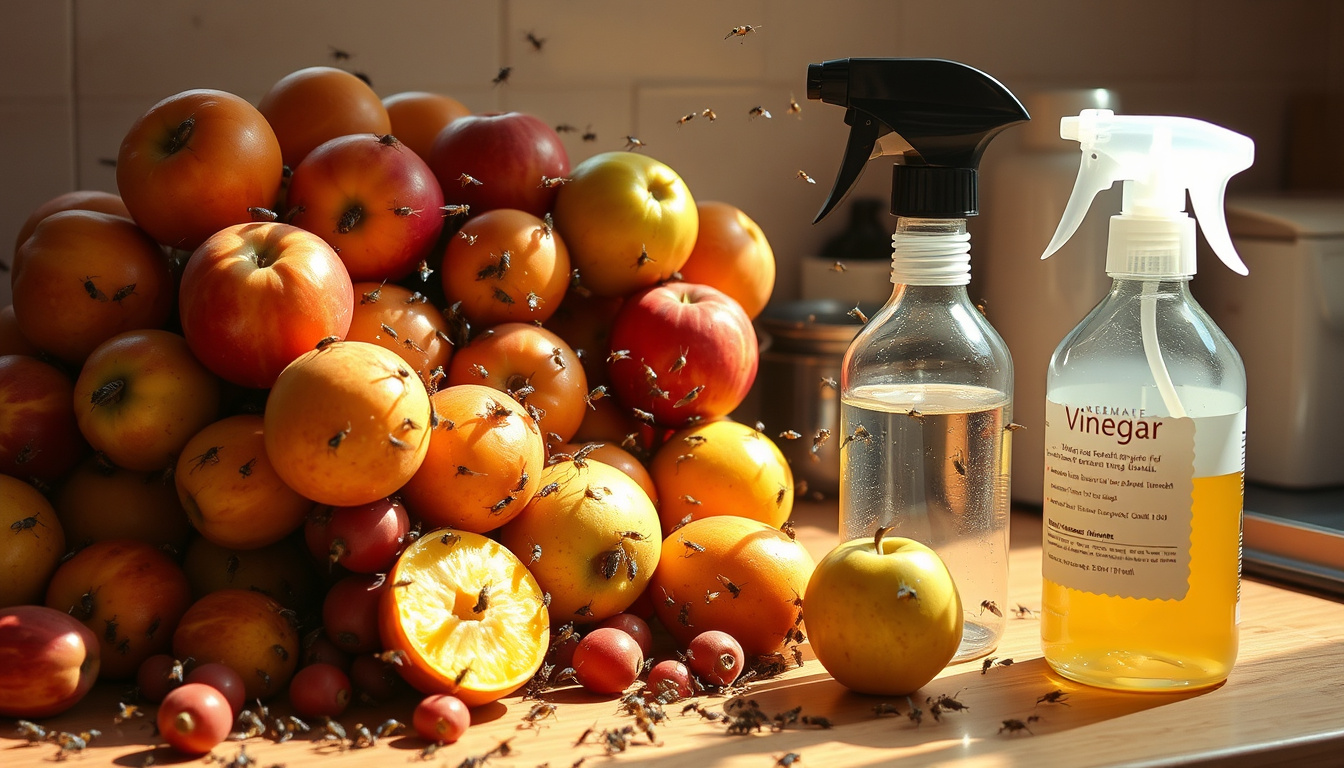

Fruit flies appear without warning, circling overripe bananas or congregating near kitchen drains. These tiny pests reproduce rapidly, making quick action essential for effective control. Understanding which methods work fastest—and why—can help eliminate an infestation before it spreads.
Homeowners have access to numerous proven strategies that require no professional intervention. From simple sprays to carefully constructed traps, the solution often lies in materials already present in most kitchens. The key is targeting both adult flies and their breeding sites simultaneously.
This guide covers instant kill methods, effective trap designs, prevention techniques, and the science behind why fruit flies target specific areas of the home.
What Kills Fruit Flies Instantly?
Direct sprays provide the fastest results when fruit flies are visible and accessible. These formulations work by dehydrating or suffocating the insects on contact, causing immediate immobilization.
Time: 24 hours
Cost: Low
Effectiveness: High
Time: Immediate
Cost: Free
Effectiveness: Medium
Time: 1-2 days
Cost: Low
Effectiveness: High
Time: Ongoing
Cost: Free
Effectiveness: Permanent
Rubbing Alcohol Sprays
A mixture of rubbing alcohol, water, and dish soap delivers instant results. The alcohol dehydrates the fly’s exoskeleton while the soap breaks down surface tension, preventing escape. Spray from 6–8 inches away, focusing on mornings or evenings when flies are less active.
The standard recipe calls for half a cup of rubbing alcohol, half a cup of water, and one teaspoon of dish soap. A stronger variant includes three-quarters cup alcohol, quarter cup water, ten drops of tea tree oil, and one teaspoon of dish soap. Both formulations cause flies to drop almost instantly upon contact.
Vinegar-Based Sprays
White vinegar serves as both an attractant and a killing agent when combined with dish soap. Mix one cup of apple cider vinegar with two tablespoons of dish soap and two cups of warm water. An alternative uses equal parts white vinegar and water plus ten drops of dish soap. These sprays work well near drains, trash areas, and fruit bowls.
Essential Oil Formulations
For those seeking options safe around children and pets, essential oil sprays offer dual action. Combine two cups of water with fifteen drops each of lemongrass and tea tree oil, plus one teaspoon of dish soap. Another effective blend uses ten drops eucalyptus, ten drops peppermint, and eight drops lavender in two cups of water with dish soap. These formulations repel flies while eliminating those already present.
Fruit flies are least active during cooler parts of the day. Targeting sprays during early morning or evening hours increases contact rates significantly.
Key Insights on Fruit Fly Control
- Fruit flies breed exclusively in moist organic matter; eliminating breeding sites delivers longer results than killing adults alone
- Traps using vinegar and dish soap achieve 80–90% effectiveness within 48 hours according to pest management studies
- The combination of vinegar’s fermenting scent and dish soap’s surface tension breakdown creates a highly effective drowning agent
- Complete elimination typically requires 1–2 weeks due to the continuous hatching of new generations
- Multiple methods used simultaneously near hotspots produce faster results than single approaches
Fruit Fly Facts at a Glance
| Attribute | Details |
|---|---|
| Adult Lifespan | 7–40 days |
| Egg to Adult | 8–10 days |
| Eggs per Female | Up to 500 |
| Primary Attractants | Overripe fruit, fermenting drains |
| Health Risk | Low; contamination possible but disease transmission rare |
How to Make the Best Fruit Fly Traps at Home
Traps work by luring fruit flies with fermenting scents, then preventing their escape. The addition of dish soap breaks the water’s surface tension, causing flies to drown rather than float. Most traps begin showing results within hours and can capture significant numbers overnight.
Apple Cider Vinegar Trap
The apple cider vinegar trap ranks as the most effective homemade option. Pour approximately three ounces of unfiltered apple cider vinegar into a bowl or jar. Add one to two drops of dish soap and stir gently. Cover the container with plastic wrap, poking several tiny holes in the top—pencil-tip size works well. Secure the wrap with a rubber band and place the trap near sinks, fruit bowls, or trash containers.
Flies enter through the holes attracted by the vinegar’s scent but cannot escape. The dish soap ensures they sink and drown rather than sitting on the surface. This trap remains effective for several days before requiring replacement. Orkin pest experts confirm this method’s effectiveness when properly maintained.
Sugar-Soap Trap
For a simpler approach, fill a small glass with water and add one tablespoon of sugar and a few drops of dish soap. Leave the glass uncovered on the counter. The sugar attracts flies while the soap traps them. This method works best in areas with moderate fly populations.
Ripe Fruit Trap
Overripe bananas or apples placed inside a jar with a paper cone funnel provide an effective lure. Roll paper into a cone shape with the narrow end pointing upward, then tape it to the jar’s opening. Flies enter to reach the fruit but become trapped either by drowning or by their inability to navigate back out through the narrow cone opening.
Position multiple traps in different locations—near the fruit bowl, beside the sink, and close to trash containers. Rotating trap locations helps capture flies that may avoid a single station.
Comparing Trap Types
| Trap Type | Key Ingredients | Setup Method | Best Location |
|---|---|---|---|
| ACV Trap | Apple cider vinegar, dish soap, plastic wrap | Bowl or jar with perforated wrap cover | Sink, fruit bowl, trash area |
| Sugar Trap | Water, sugar, dish soap | Uncovered glass | Kitchen counter |
| Fruit Trap | Overripe fruit, paper funnel | Jar with cone insert | Fruit basket, near trash |
What Causes Fruit Flies and Their Lifecycle
Understanding why fruit flies appear helps target solutions more effectively. These insects seek out moist, fermenting organic matter for both food and egg-laying sites. Kitchens provide ideal conditions, particularly near produce storage and drainage systems.
Primary Breeding Sources
Overripe and rotting fruit creates the most common infestation source. Bananas and apples rank among the worst offenders, with eggs typically deposited directly on the fruit’s skin. Food residue on countertops, inside cabinets, and under sinks also supports breeding populations.
Kitchen drains accumulate organic buildup over time, creating a perfect breeding environment. The warm, moist conditions allow larvae to develop rapidly. Trash cans—especially those without liners or infrequent emptying—attract significant numbers. Sticky surfaces from spilled beverages or raw food prep areas provide additional habitat.
Kitchen drains represent prime breeding hotspots that many homeowners overlook. Pouring boiling water or a diluted vinegar solution down drains daily helps prevent larval development in these areas.
The Reproduction Cycle
Female fruit flies lay eggs near suitable breeding sites, with a single female capable of producing up to 500 eggs during her lifetime. Eggs hatch into larvae within 24–48 hours, depending on temperature conditions. The larval stage lasts approximately 4–6 days, during which the insects feed voraciously on fermenting matter.
Pupation occurs over 2–4 days, with adults emerging 8–10 days after eggs were initially deposited. This rapid lifecycle means infestations can escalate quickly—a few initial flies can become hundreds within weeks if breeding sites remain undisturbed.
How to Get Rid of Fruit Flies Permanently
Permanent control requires breaking the breeding cycle through consistent habits rather than relying solely on traps or sprays. Combining immediate elimination methods with preventive practices delivers the most lasting results.
Surface Cleaning Protocol
All food preparation surfaces require thorough cleaning with soapy water or vinegar solutions. Pay particular attention to areas beneath sinks, inside cabinets, and around appliance bases where crumbs and spills accumulate. Wipe fruits and vegetables with a solution of one cup water mixed with one tablespoon of apple cider vinegar before storage.
Waste Management
Empty trash containers frequently, scrubbing the interior with vinegar or soap at least weekly. Use trash can liners and ensure containers dry completely between uses. Store outdoor trash at distance from kitchen entry points when possible.
For drain maintenance, pour boiling water down sinks weekly to flush organic buildup. A diluted bleach solution works for heavy buildup but should be used sparingly to avoid pipe damage. Never leave wet sponges or dish towels lying around, as these provide ideal breeding conditions.
Produce Storage Strategies
Store fruits and vegetables in sealed containers or refrigerators when practical. Check incoming produce for signs of existing infestation before bringing it indoors. Herbs such as basil and mint naturally repel fruit flies and can be positioned near problem areas or used in homemade sprays.
Consistency matters more than intensity. Daily habits prevent the conditions that allow infestations to establish, eliminating the need for reactive measures. State Farm’s pest management resources emphasize that prevention becomes significantly easier than elimination once the cycle is broken.
Severe infestations require simultaneous deployment of multiple traps and sprays near all identified hotspots. Results remain fast and chemical-free when using these natural methods together.
Fruit Fly Lifecycle Timeline
The complete development cycle from egg to adult spans approximately 8–10 days under typical kitchen conditions. Understanding this timeline helps homeowners time their control efforts effectively.
- Day 0: Eggs laid near suitable organic matter—typically on fruit peels, drain residue, or food scraps
- Days 1–2: Eggs hatch into larvae, immediately beginning to feed on fermenting material
- Days 3–6: Larvae enter pupal stage, transforming internally while encased in protective casings
- Days 7–10: Adult flies emerge, ready to reproduce and continue the cycle within 48 hours
Breaking this cycle requires removing breeding sites before eggs can develop. Because new generations emerge every 8–10 days, control efforts must continue for at least two weeks to ensure all emerging adults are eliminated before they can reproduce.
Proven vs. Unproven Methods
Not all recommended approaches carry equal scientific backing. Distinguishing between methods with university testing and those based primarily on anecdotal reports helps prioritize effective solutions.
| Proven Methods | Methods Lacking Strong Evidence |
|---|---|
| Vinegar traps with dish soap (university tested) | Essential oil sprays used alone (primarily repels, does not kill effectively) |
| Diluted bleach for drain cleaning | Commercial chemical sprays (short-term effectiveness only) |
| Rubbing alcohol direct application | Ultrasonic repellent devices (inconsistent results) |
| Sticky trap monitors | Citrus peel placement (minimal attraction) |
Bleach should never be used in fruit fly traps or sprayed directly on surfaces. Reserve bleach exclusively for drain cleaning in diluted form to avoid harmful fumes or residue that could attract more flies.
Why Fruit Flies Infest and How to Stop Them
Fruit flies evolved to locate fermenting fruit, their primary food source in natural environments. Kitchens replicate these conditions perfectly—the warmth from appliances, moisture from sinks, and constant supply of produce create an ideal habitat.
Seasonal patterns affect infestation severity. Late summer and early fall often bring increased activity as harvest season brings large quantities of ripe produce into homes. However, infestations can occur year-round in climate-controlled environments where breeding conditions persist continuously.
The key to stopping infestations lies in denying these conditions. No amount of trapping succeeds if breeding sites remain active, as new flies emerge faster than traps can capture them. DIY pest control guides consistently emphasize source elimination over mass trapping as the foundation of effective control.
Expert Sources and Research
“Apple cider vinegar mimics fruit scent perfectly, making it one of the most reliable attractants available for fruit fly traps.”
— Entomologist, Purdue University Extension
University studies consistently demonstrate that properly baited traps outperform spray applications for sustained fruit fly control in residential settings.
The Centers for Disease Control and Prevention notes that while fruit flies can carry bacteria and contaminate food surfaces, actual disease transmission to humans remains rare under normal household conditions. Home pest management research confirms that targeted, non-chemical approaches provide sufficient control for typical residential infestations.
What to Do Next
Implementing fruit fly control requires a systematic approach. Begin by setting traps immediately upon discovering an infestation, placing them in multiple locations throughout the kitchen. Replace or refresh traps daily for the first week.
Conduct a thorough cleaning of all potential breeding sites—drains, under sinks, behind appliances, and trash containers. Establish a weekly maintenance schedule for drain cleaning with boiling water or vinegar. Monitor results using sticky traps positioned near known hotspots.
For additional household pest management guidance, see our article on maintaining a pest-free home environment. Consistent prevention habits eliminate the conditions that allow fruit flies to establish themselves permanently.
Frequently Asked Questions
Does vinegar kill fruit flies?
Vinegar itself does not kill fruit flies instantly, but it attracts them effectively. When combined with dish soap in a trap, flies are lured in and drown due to broken surface tension. Apple cider vinegar works particularly well as an attractant.
What is the fastest way to get rid of fruit flies?
The fastest method combines direct spray application with trap deployment. Spraying visible flies with rubbing alcohol mixture provides immediate results, while setting multiple vinegar traps captures emerging generations within 24–48 hours.
Are fruit flies harmful?
Fruit flies are not considered dangerous. They do not bite and rarely transmit disease. However, they can contaminate food surfaces and beverages by spreading bacteria from breeding sites. Proper elimination prevents this contamination risk.
Can bleach kill fruit flies?
Bleach is not recommended for direct fruit fly elimination due to harmful fumes and residue. It can be used in heavily diluted amounts for drain cleaning to remove breeding material, but traps and sprays provide safer, more effective control.
How long does it take to get rid of fruit flies?
Visible reduction typically occurs within 1–2 days with proper trap placement. Complete elimination requires 1–2 weeks due to the lifecycle—new flies continue emerging from eggs until all breeding sites are eliminated and all pupae have developed.
What scent keeps fruit flies away?
Basil, mint, and eucalyptus provide natural repellent properties. Essential oil sprays using lemongrass, tea tree, peppermint, or lavender deter flies from treated areas. However, these scents repel more effectively than they kill.
Related stories





Jessica Morin covers provincial policy, regional economics and public affairs across Canada.