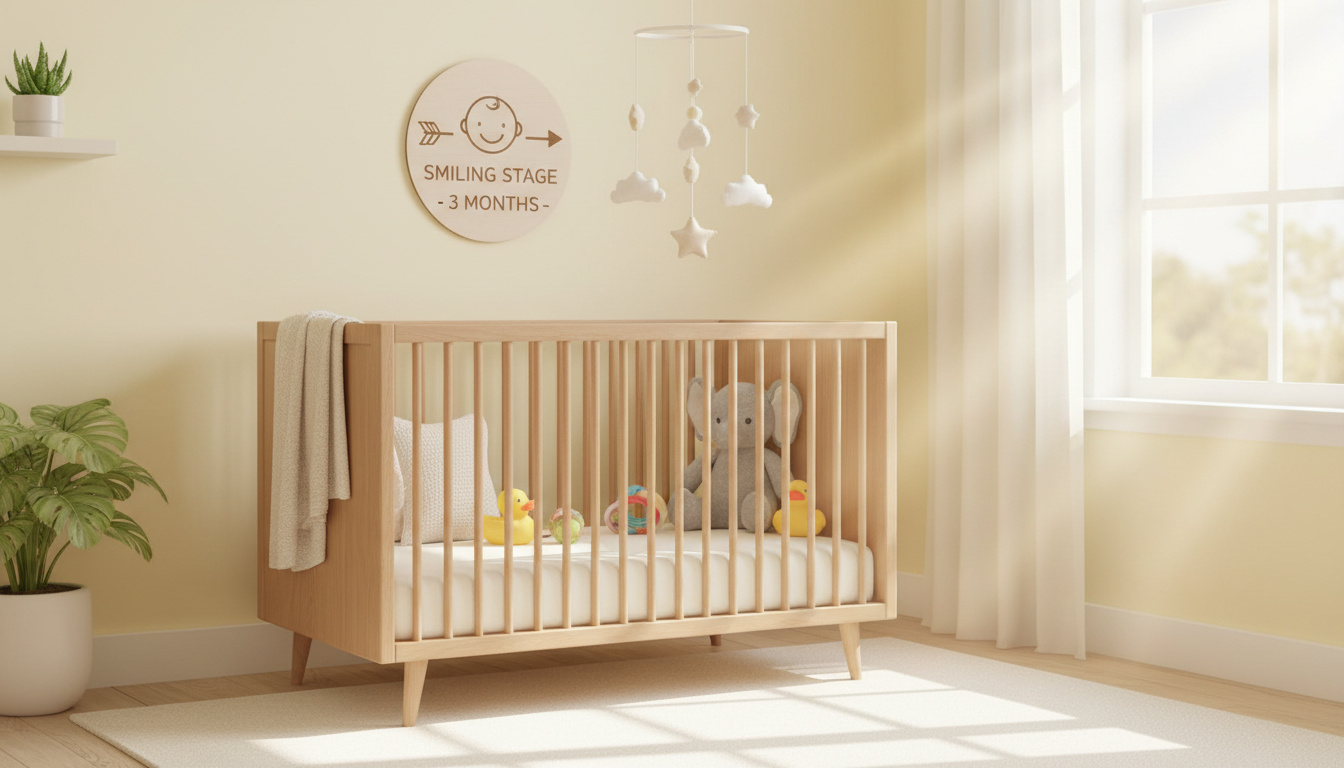
Babies bring joy through their first grins, but not all early smiles reflect true happiness. Newborns display reflexive facial movements from birth, yet genuine social responses emerge weeks later as vision and emotional awareness develop.
Understanding the timeline helps parents distinguish between involuntary twitches and meaningful communication. These early interactions lay the foundation for emotional bonding and cognitive growth.
Pediatricians track smiling as a critical milestone during routine checkups, noting its significance in assessing neurological and social development.
When Do Babies Start Smiling?
| Milestone | Typical Age | Description | Red Flags |
|---|---|---|---|
| Reflex Smile | Birth–6 weeks | Involuntary, during sleep or digestion | None |
| Early Social Smile | 6–8 weeks | Response to faces and voices | None |
| Full Social Smile | 2–3 months | Expressive, symmetrical, interactive | Consult if absent |
| Selective Smiling | 9 months | Preference for familiar faces | None |
- Social smiles typically emerge between six and twelve weeks of age
- Reflex smiles appear immediately after birth, often during REM sleep
- Vision acuity improvements at six to eight weeks enable face recognition
- Premature infants may follow timelines based on corrected gestational age
- The American Academy of Pediatrics emphasizes social smiling at two-month checkups
- Early grins before six weeks usually indicate reflexive rather than social responses
- Reciprocal smiling strengthens parent-infant attachment and neural pathways
| Milestone | Typical Timing | Characteristics | Source Category |
|---|---|---|---|
| Reflex smiles | Birth to 6 weeks | Involuntary, brief, random | Newborn reflexes |
| First social smiles | 6–8 weeks | Responsive to sensory input | Developmental marker |
| Intentional grinning | 2–3 months | Symmetrical, sustained, directed | Emotional development |
| Laughter onset | 4–6 months | Vocalization, mimicry | Social evolution |
| Undiscriminating delight | 6 months | Reacting to any interaction | Peak sociability |
| Selective smiling | 9 months | Stranger anxiety emerges | Cognitive recognition |
| Corrected age adjustment | Varies | Premature babies follow adjusted timeline | Medical consideration |
| AAP benchmark | 2 months | Expected communication milestone | Pediatric guidelines |
Reflex Smiles vs. Social Smiles in Babies
Understanding Reflex Smiles
Reflex smiles emerge from internal biological states rather than external happiness. These involuntary movements occur randomly during sleep, drowsiness, or digestion, lasting only a few seconds without eye contact or alertness. Most infants display these grimaces immediately after birth, and they typically fade by approximately eight weeks of age.
The Emergence of Social Smiles
True social smiles represent purposeful communication. They engage the entire face, particularly lighting up the eyes, and respond directly to caregiver voices, touch, or familiar faces. This milestone indicates maturing vision, recognition capabilities, and emerging emotional awareness. Research indicates that unlike reflexive movements, these expressions demonstrate reciprocity and engagement with the environment.
Distinguishing Between the Two
Key differences lie in duration, context, and facial engagement. Reflex smiles occur without external stimuli, lack eye contact, and disappear quickly. Social smiles follow interaction, involve sustained eye contact, and reflect alertness. Around six to eight weeks, parents notice the transition as babies begin responding specifically to their caregivers’ presence.
Social smiles typically appear symmetrical and involve eye crinkling, while reflex smiles often look lopsided and occur with closed eyes during sleep.
What If My Baby Isn’t Smiling Yet?
Normal Variations in Development
Individual pacing varies significantly across infants. While the average onset falls between six and eight weeks, the normal range extends through twelve weeks. Some babies demonstrate early responsive grins at exactly six weeks, while others require additional time for visual and neurological maturation. Premature babies particularly follow timelines adjusted for their corrected gestational age rather than birth date.
When to Consult Your Pediatrician
Medical professionals recommend discussing smiling concerns during the two-month well-visit. Absence of social smiling by three months, particularly when accompanied by unresponsiveness to voices or faces, warrants professional evaluation. The American Academy of Pediatrics identifies social smiling as a crucial communication milestone expected by eight weeks of age.
Red Flags and Developmental Delays
Persistent lack of facial responsiveness by the end of the third month may indicate developmental delays requiring assessment. However, brief delays within the six-to-twelve-week window often represent normal variation rather than pathology. Pediatricians evaluate these signs alongside other social and emotional markers during routine examinations.
Can Babies Smile Before Birth or in Sleep?
Prenatal Facial Expressions
Ultrasound imaging occasionally captures fetal expressions resembling smiles between twenty-three and twenty-six weeks gestation. These movements represent reflexive muscle actions rather than emotional responses, as intrauterine environments lack the social stimuli necessary for genuine affective displays. Such observations demonstrate neurological development but do not indicate conscious happiness.
Smiling During Sleep
Newborns frequently exhibit reflex smiles during REM sleep cycles. These involuntary grimaces result from internal stimuli such as passing gas, digestion, or neurological practice rather than dream content or external interaction. Sleep smiles typically disappear as babies develop alertness patterns and voluntary facial control around two months.
Both prenatal and sleep-related smiles represent primitive reflexes essential for muscle development, distinct from the social-emotional expressions that emerge later.
How to Encourage Your Baby’s First Real Smile
Face-to-face interaction proves most effective for stimulating social smiles. Caregivers should maintain eye contact, speak in animated tones, and mimic facial expressions during alert periods. Singing, gentle touch, and responsive cuddling create positive associations that trigger grinning responses.
Minimizing environmental distractions enhances these interactions. Removing phones or background noise helps infants focus on facial features and voices. Responding warmly to attentional cues reinforces the behavior, building confidence and strengthening neural pathways for future social engagement.
Baby Smiling Milestones by Week
- Prenatal (23–26 weeks): Possible ultrasound-captured grimaces (reflexive only)
- Birth to 6 weeks: Reflex smiles dominate, occurring during sleep and digestion
- 6–8 weeks: First responsive social smiles emerge, often lopsided, reacting to caregiver voices
- 8–12 weeks: Fully intentional, symmetrical smiles directed at familiar people
- 4–6 months: Evolution into laughter and purposeful cooing alongside smiling
- 6 months: Undiscriminating social smiles toward strangers and familiar faces alike
- 9 months: Selective smiling favoring family members, coinciding with stranger anxiety
What Pediatricians Know for Certain
| Established Information | Information That Remains Unclear |
|---|---|
| Social smiles emerge between 6–12 weeks in most infants | Precise neural mechanisms triggering the first voluntary smile |
| Reflex smiles differ qualitatively from social smiles | Individual genetic factors influencing exact timing variations |
| Absence by 3 months requires evaluation | Long-term predictive value of early vs. late smiling onset |
| Premature babies follow corrected age timelines | Specific environmental determinants beyond interaction quality |
Why Your Baby’s Smile Matters
Social smiling serves as more than mere entertainment for parents. These expressions fundamentally strengthen attachment bonds while teaching infants the concept of emotional reciprocity. Each grin represents a complex interaction between developing vision, recognition memory, and social awareness. For more information on this topic, please refer to Hur många tänder har en människa.
Neurodevelopmental research indicates that smiling milestones correlate with advancing neural pathways. The behavior supports brain growth in facial recognition, early language acquisition through associated cooing, and foundational social skills. Parents monitoring developmental progress may also benefit from understanding urgent health conditions described in What Is Cardiac Arrest.
Vision development particularly intertwines with smiling emergence. As acuity sharpens between six and twelve weeks, infants distinguish faces clearly enough to respond appropriately. This visual-social connection marks the beginning of intentional communication.
Expert Perspectives on Infant Smiling
Social smiling marks a crucial milestone in emotional development, typically emerging by two months as babies begin engaging meaningfully with their caregivers.
— American Academy of Pediatrics, HealthyChildren.org
True social smiles involve the whole face and represent the infant’s first deliberate attempts at communication and connection.
— Pediatric Development Specialists, Cleveland Clinic
Key Takeaways on Baby Smiling
Infants begin with reflexive grimaces at birth, transitioning to genuine social smiles between six and twelve weeks. These early expressions indicate healthy vision, emotional, and neurological development while strengthening parent-child bonds. Parents should monitor milestones while remembering that individual variations within the normal range require patience. When Do Babies Start Smiling serves as a fundamental developmental marker worth tracking during early pediatric visits.
Frequently Asked Questions
What are baby smiling milestones?
Key milestones include reflex smiles at birth, first social smiles at 6–8 weeks, intentional grinning at 2–3 months, laughter at 4–6 months, and selective smiling at 9 months.
Is a baby’s first smile reflexive?
Yes, initial smiles are reflexive, occurring during sleep or digestion. True social smiles emerge later, typically after six weeks of age.
What does it mean if baby smiles early?
Grins before six weeks typically remain reflexive rather than social. True early social engagement is rare but not concerning if accompanied by alertness and eye contact.
Why do babies smile in their sleep?
Sleep smiles result from internal stimuli such as gas, digestion, or neurological practice during REM cycles, not emotional responses to external stimuli.
How can I encourage my baby to smile?
Face-to-face interaction, eye contact, singing, mimicking expressions, and minimizing distractions during alert periods effectively encourage social smiling.
At what week do babies smile socially?
Most babies display their first social smiles between weeks six and eight, though the normal range extends through week twelve.
Related stories




Jessica Morin covers provincial policy, regional economics and public affairs across Canada.